 MarketsFree
May9
Castro Marim Antiques Fair
Castro Marim
Castro Marim
·2nd Saturday of the month

Salt pans, the medieval castle and the Sapal Nature Reserve. Gateway to the eastern Algarve.
10 events found
MarketsFreeCastro Marim
Castro Marim
·2nd Saturday of the month
 MarketsFree
Castro Marim
Castro Marim
·2nd Saturday of the month
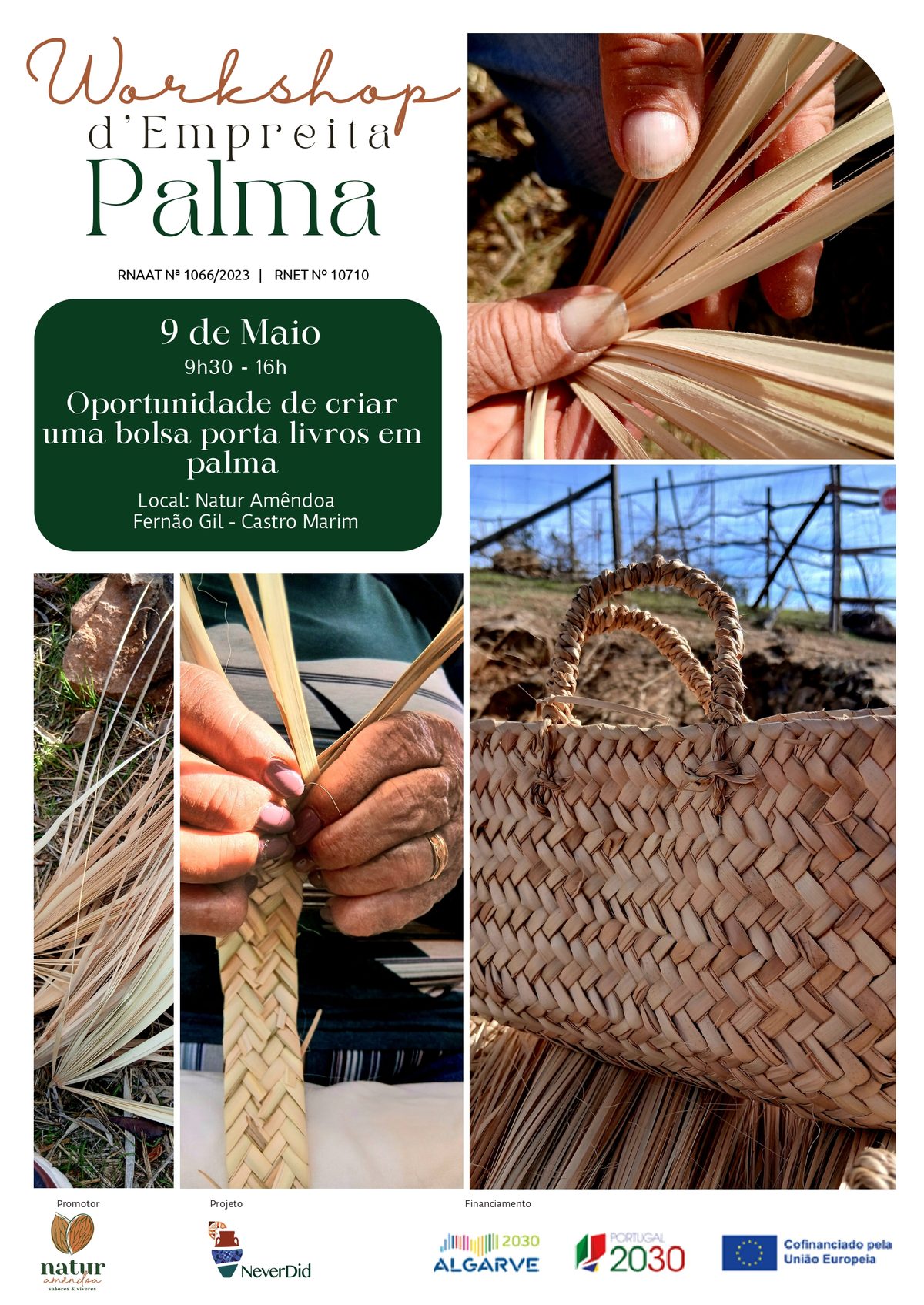 Workshops50€
Castro Marim
Castro Marim
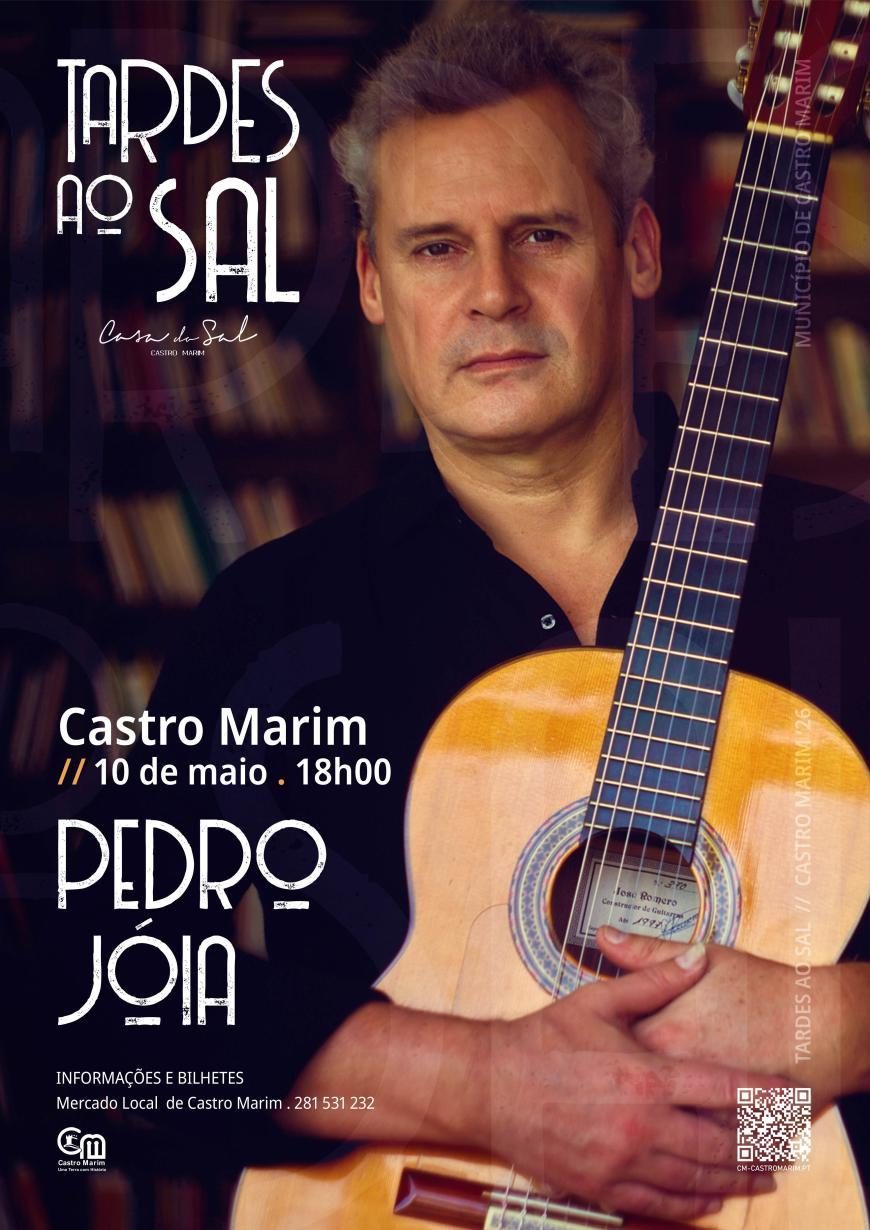 Music
MusicCasa do Sal
Castro Marim
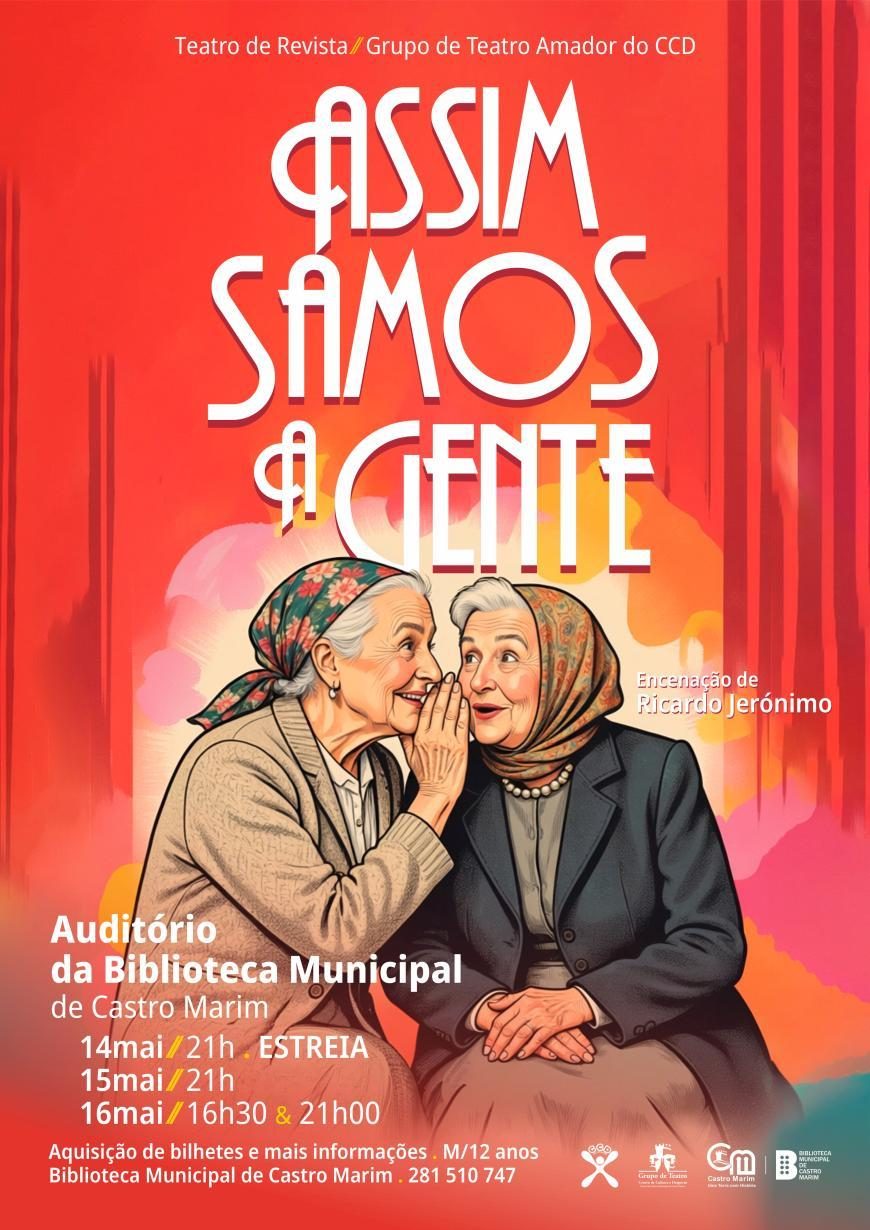 Theatre
Auditório da Biblioteca Municipal de Castro Marim
Castro Marim
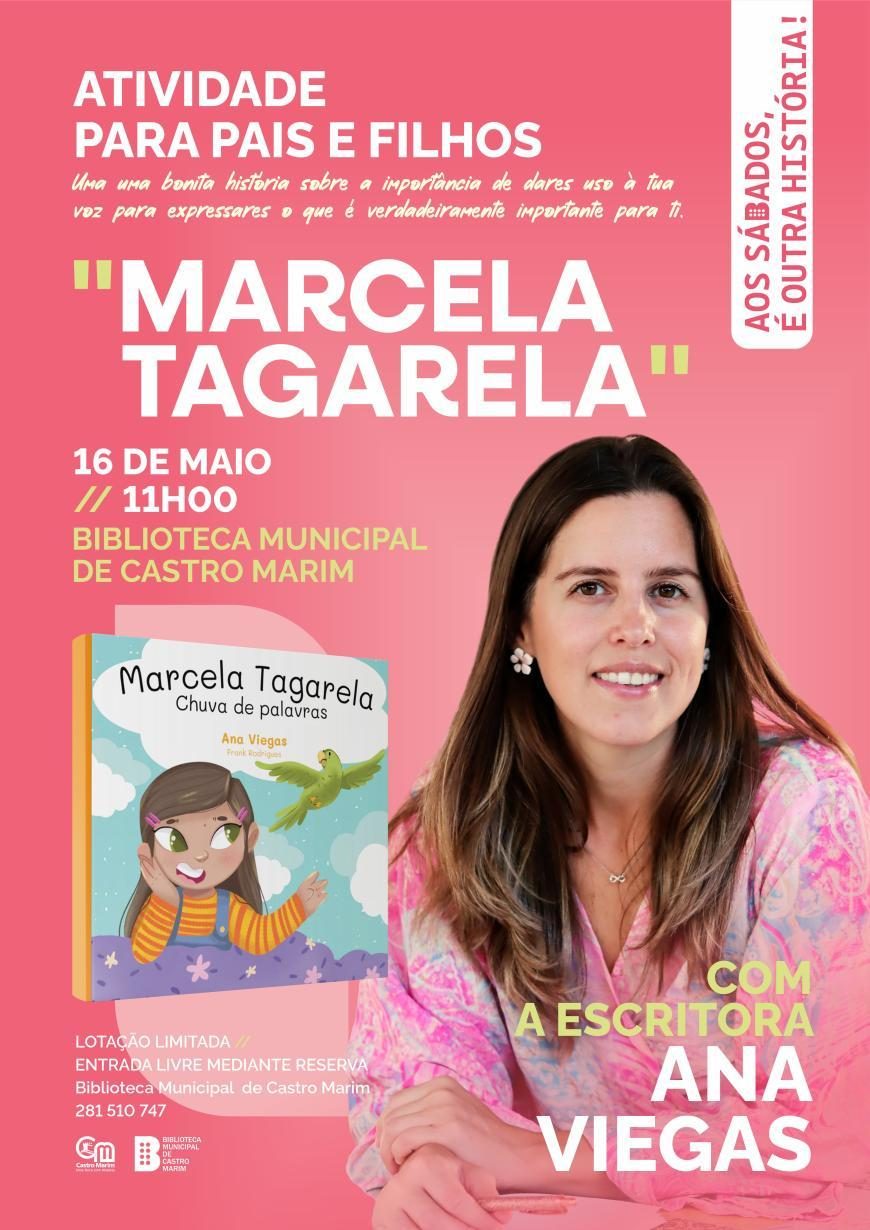 Literature
Biblioteca Municipal de Castro Marim
Castro Marim
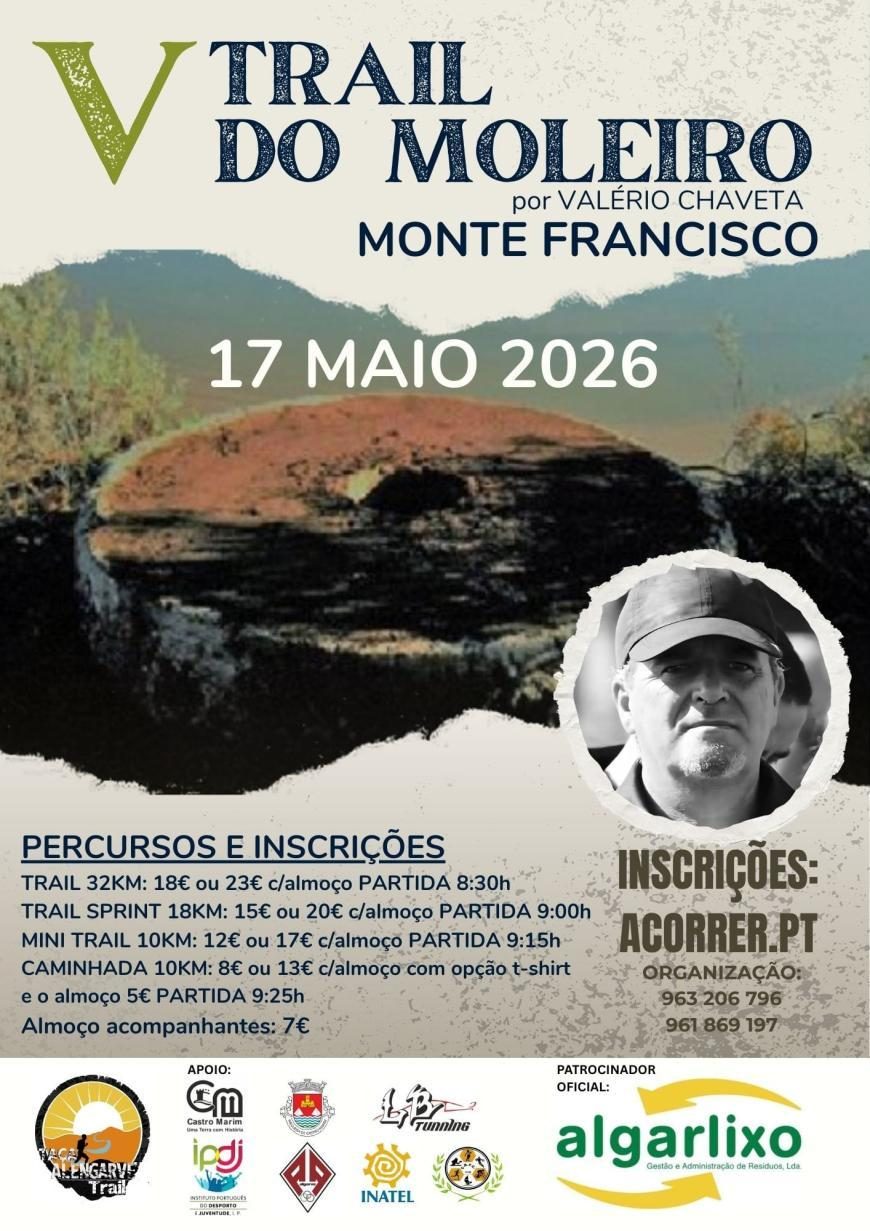 Nature
Monte Francisco
Castro Marim
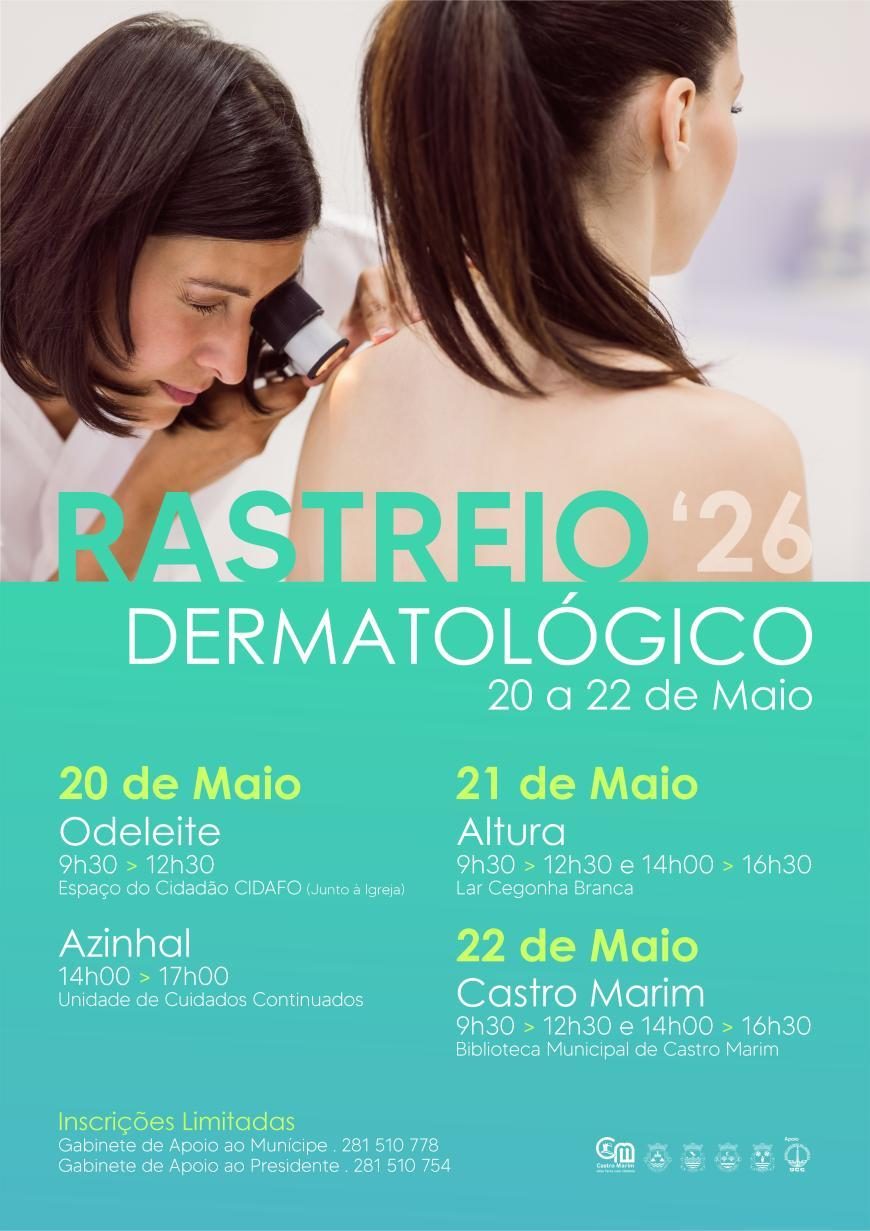
Concelho de Castro Marim
Castro Marim
 Sports
Biblioteca Municipal de Castro Marim
Castro Marim
 Literature
Verdelago Resort
Castro Marim
What's on in Castro Marim: the Dias Medievais — a five-day medieval fair at the castle in late August, with tournaments, banquets and street theatre — and walks through the Sapal Nature Reserve, the first nature reserve created on the Portuguese mainland. Seasonal highlights: Dias Medievais from 26 to 30 August 2026 (27th edition) and the flor de sal DOP season, hand-harvested at the salt pans from June to September. The whitewashed village, the medieval castle (Order of Christ headquarters between 1319 and 1357) and the Restoration-era Fort of São Sebastião anchor the council. Updated daily with what's happening today, this weekend and in the weeks ahead.
Castelo de Castro Marim
Medieval castle on top of the village, first headquarters of the Order of Christ (1319–1357) by papal bull from John XXII at King Dinis's request, before it moved to Tomar. Reinforced by King Manuel I in 1509 against Muslim piracy. Today the main stage of the Dias Medievais fair, with a combined ticket with the Fort of São Sebastião.
Forte de São Sebastião
Bastion-style fort started in 1641 by King João IV during the Restoration War with Spain — turning Castro Marim into the Algarve's main military post. Five irregular bastions adapted to the terrain, main gate facing north. Classified a National Monument. A 5-min walk from the Castle.
Castro Marim Old Town
Whitewashed village on the slope between the Castle and the Fort of São Sebastião, with narrow streets, single-storey houses and the Igreja Matriz de Nossa Senhora dos Mártires. Original royal charter from 1277 (King Afonso III), renewed in 1504 (King Manuel I). Direct view over the Guadiana estuary and Spain on the other side.
Sapal Nature Reserve
Mainland Portugal's first nature reserve, created in 1975. 2,300 ha of salt marsh, salt pans and channels between Castro Marim and Vila Real de Santo António, at the mouth of the Guadiana. 153 bird species, with flamingos nesting locally from 2020 (550 chicks). The black-winged stilt is the reserve's symbol. Visitor centre open to the public.
Salt pans + Flor de Sal DOP
Traditional hand-harvested sea salt and flor de sal — protected as 'Sal de Castro Marim / Flor de Sal de Castro Marim' DOP; the earliest written mention is in the 1277 royal charter. Flor de sal forms on the surface of the crystallisation pools when the water reaches saturation. Guided visits at Salmarim, Terras de Sal and Jara Domingues, mostly between June and September.
Praia de Altura
The council's only ocean beach, in Altura parish — long stretch of sand connecting east to Manta Rota and Monte Gordo, with calmer and warmer water than the rest of the Algarve. Beach service, restaurants and a cycle path through to Vila Real de Santo António. Blue Flag.
Odeleite Reservoir ('blue river')
Reservoir on the Odeleite River, in the inland part of the council, known for its blue dragon-shaped curves seen from above — viral on social media. Reached on foot or by bike from Odeleite village. Good area for canoeing, kayaking and SUP.
Azinhal and Odeleite (the inland)
The rural parishes to the north, in the barrocal and the transition to the Caldeirão hills. Whitewashed single-pitch houses, stepped streets, black goats, and the Spanish border on the Guadiana. A classic stop on inland-east Algarve road-trips.