
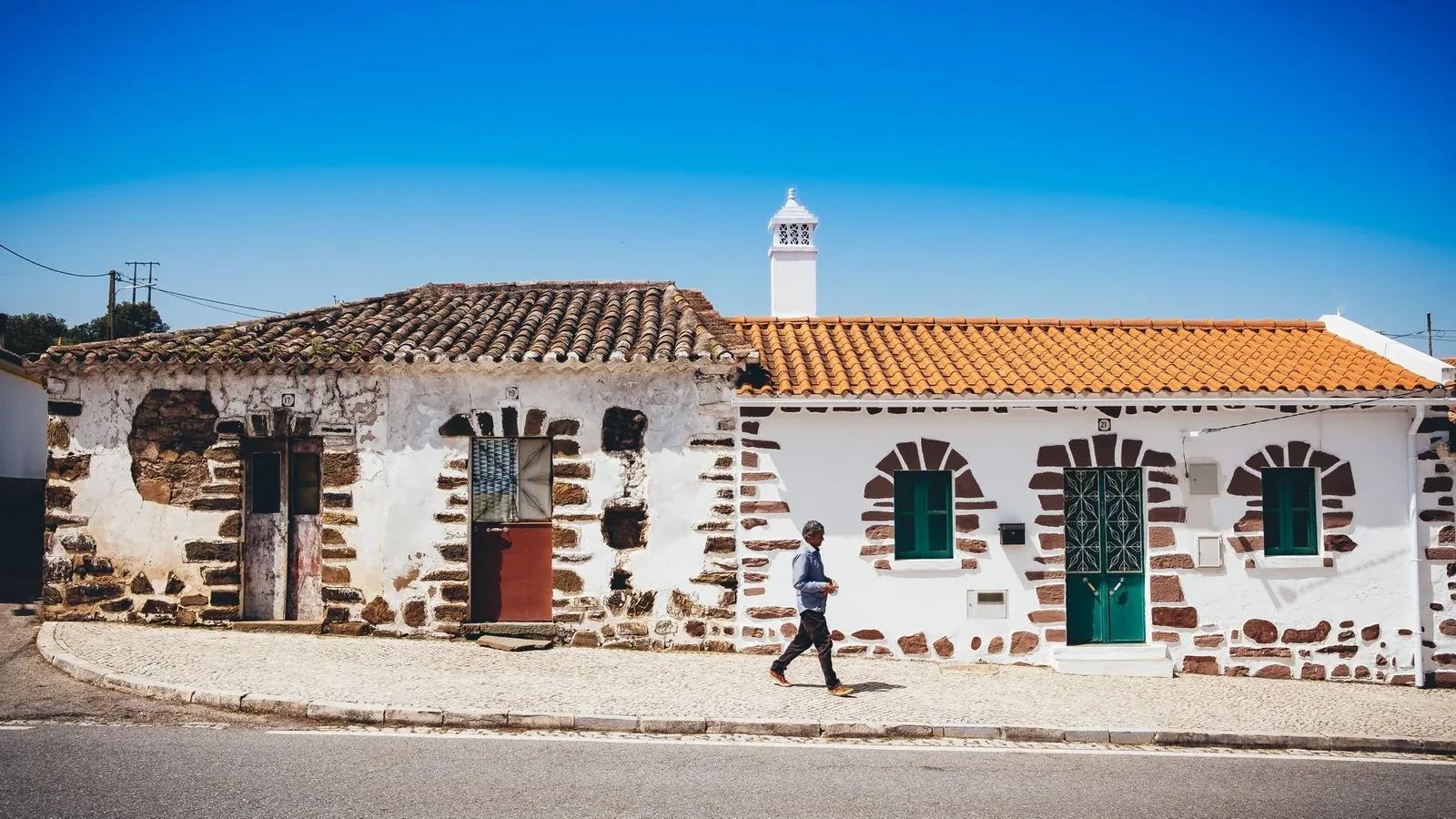
Besteiros
Local tips
Besteiros is not a standalone destination but a stop on an exploration route of the interior. Combine with Ameixial, Cortelha, and Barranco do Velho for a day of village hopping in the mountains. The landscape of cork oaks is especially beautiful in the golden light of late afternoon.
Location
What's happening nearby
Upcoming events in the area


Where to eat nearby
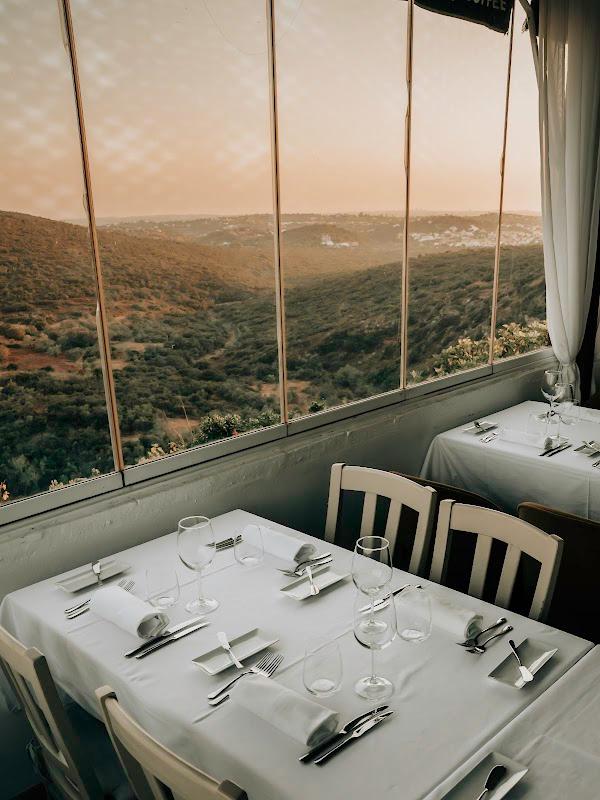
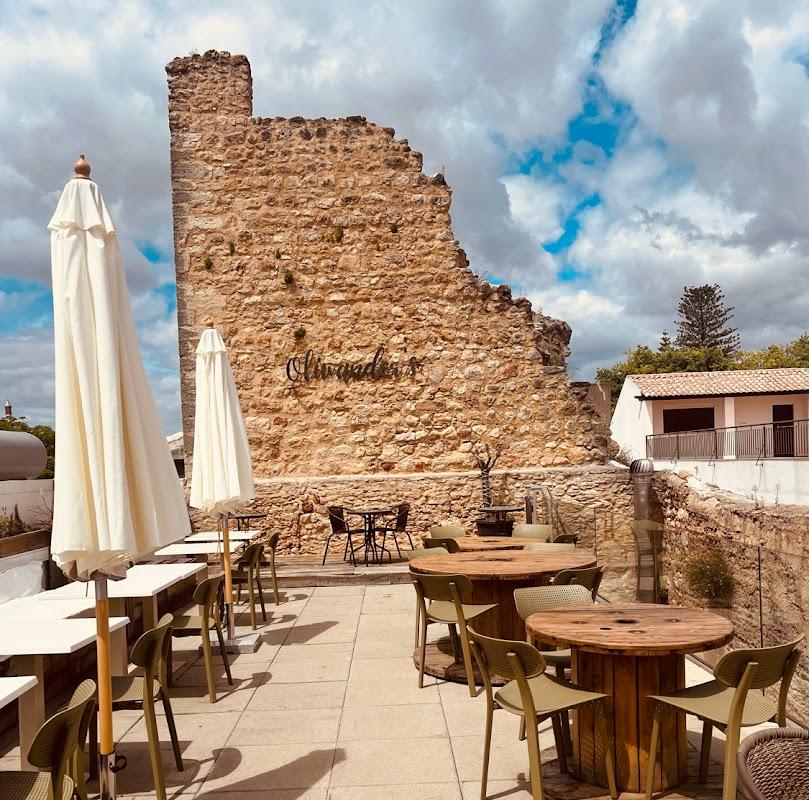
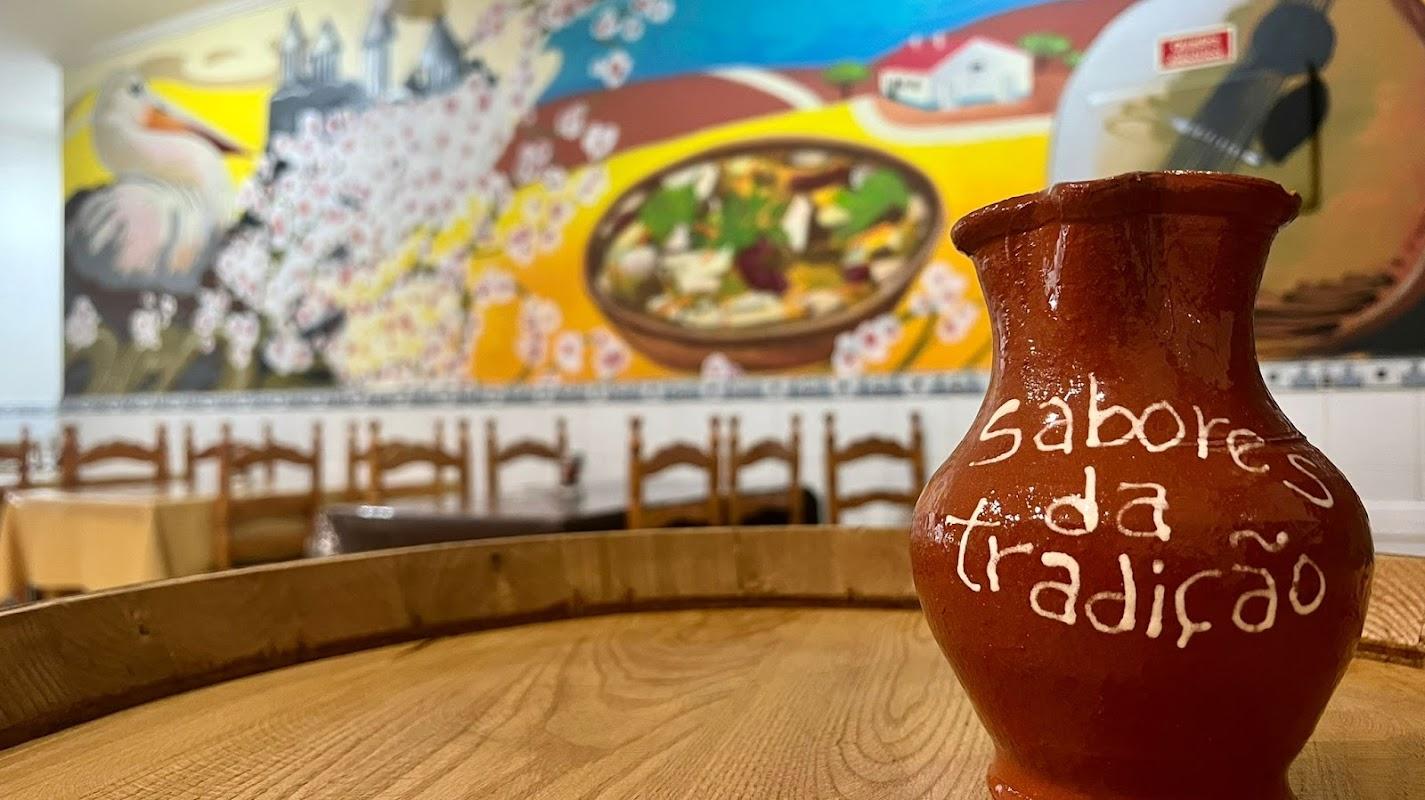
Top restaurants in the area
Reviews
Discover more hidden treasures
More options near Loule
Alte
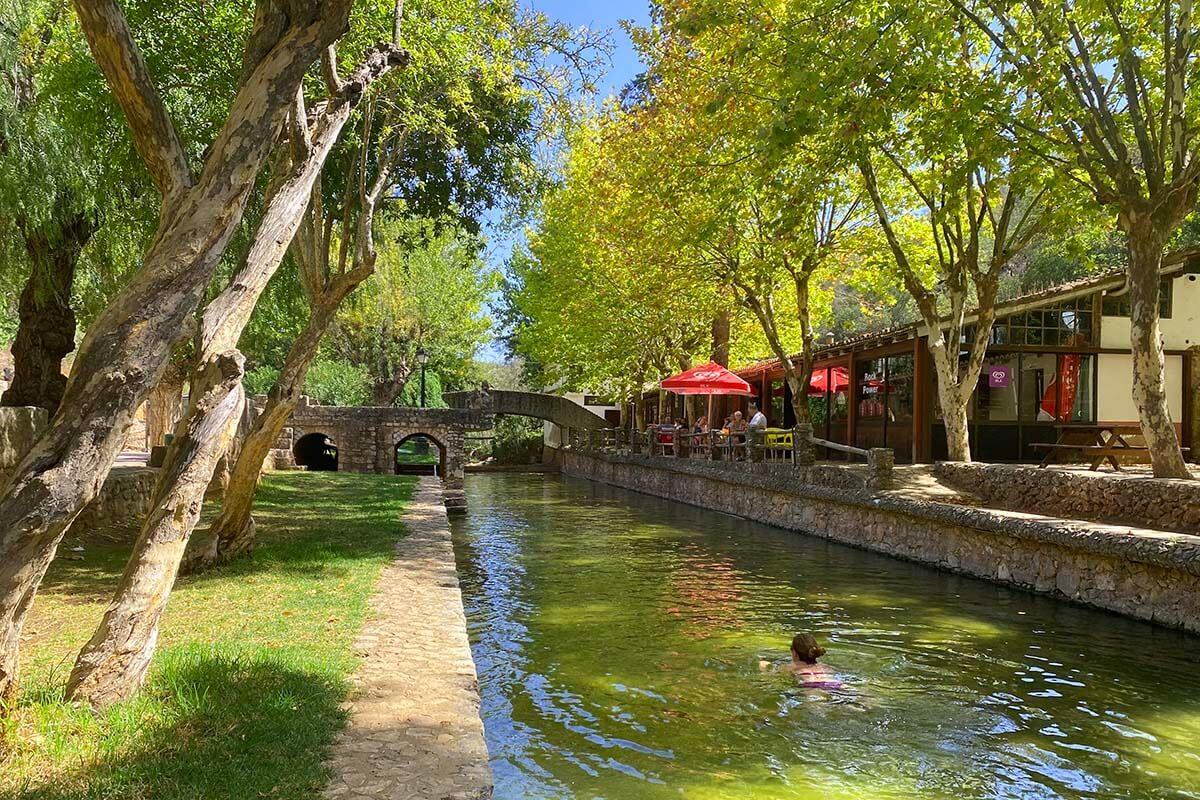
One of the most picturesque and calm villages in the Algarve interior, Alte preserves the essence of rural life with its whitewashed houses, ornate chimneys, and cobbled streets. The springs and fountains surrounding the village create centuries-old points of freshness and conviviality. Described by many as the most typical village in the Algarve, it is a place that seems frozen in time.
Loule
Ameixial
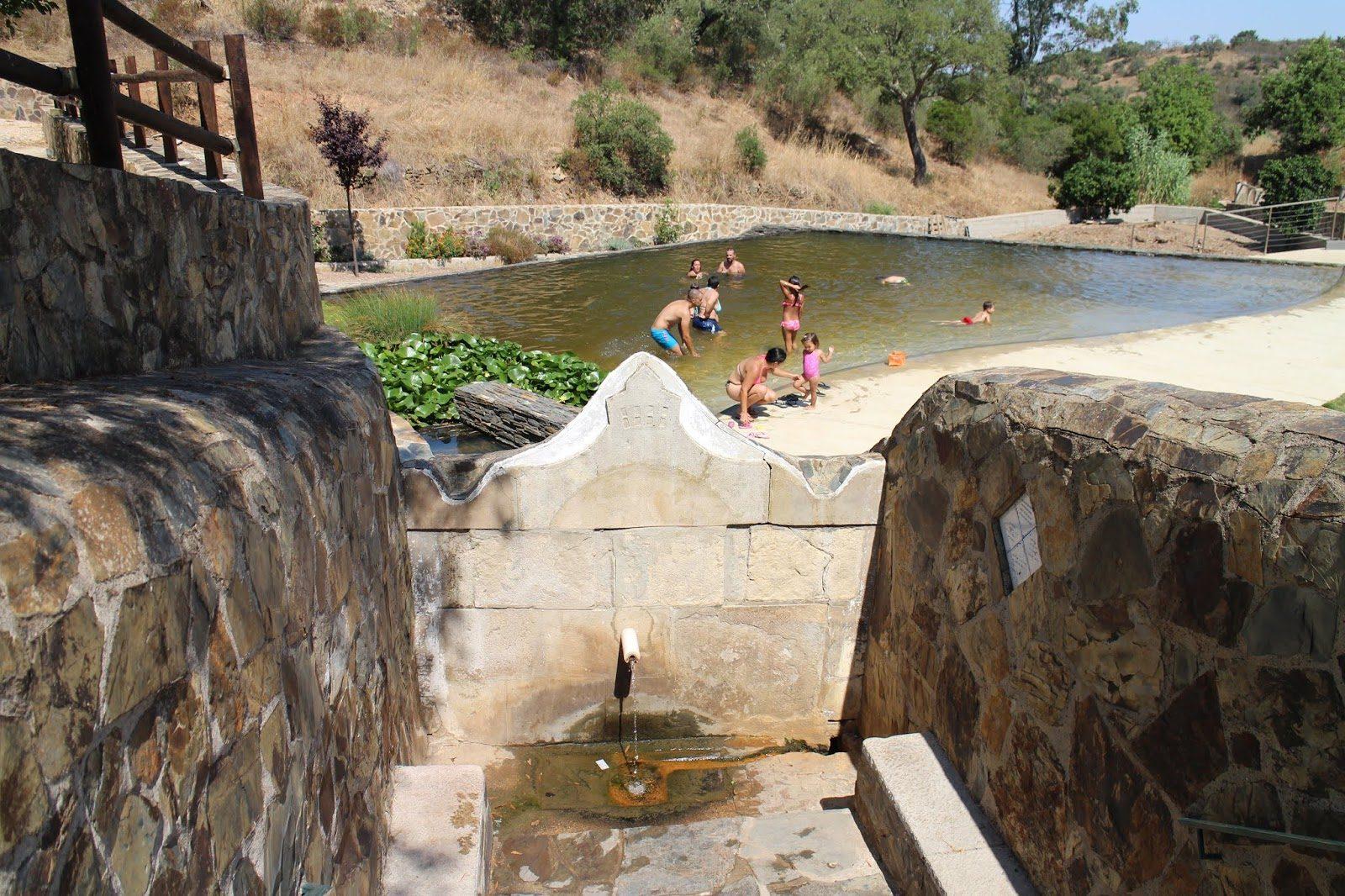
A mountain village in the Serra do Caldeirão, at the northern edge of the municipality of Loulé, bordering Alentejo (Almodôvar). The landscape is dominated by cork oaks, rockroses, gorse, and strawberry trees. The village is located on the historic National Road 2 (EN2), one of the longest roads in Europe, connecting Chaves to Faro. It features megalithic monuments such as the Pedra do Alagar and the Anta do Beringel. The Via Algarviana passes through the area, and the Connection 6 of the Via Algarviana starts at the village entrance.
Loule
Barranco do Velho
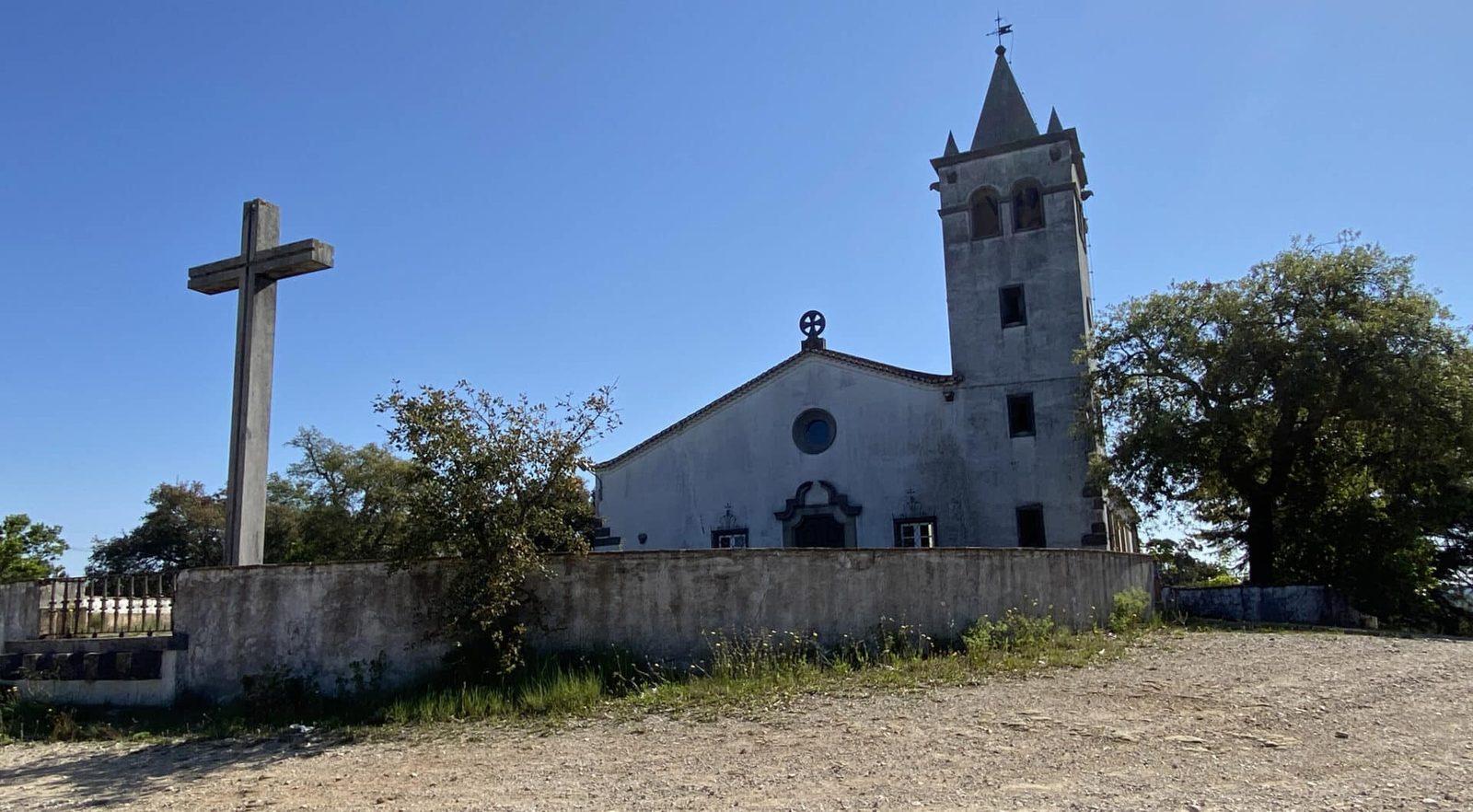
A small mountain village in the Serra do Caldeirão, near the border with Alentejo. Known for its century-old tradition of cork industry, with a landscape dominated by cork oaks, holm oaks, and strawberry trees. A rustic church built in 1944 on top of the hill offers panoramic views. The village is famous for its high-quality aguardente made from strawberry trees. Popular among cyclists — the climb from Barranco do Velho (3.1 km, category 4) is part of the Algarve Tour. The PR17 LLE trail (5.5 km, about 2 hours) traverses cork oak forests. It is the endpoint of Sector 5 and the beginning of Sector 6 of the Via Algarviana.
Loule
Catraia
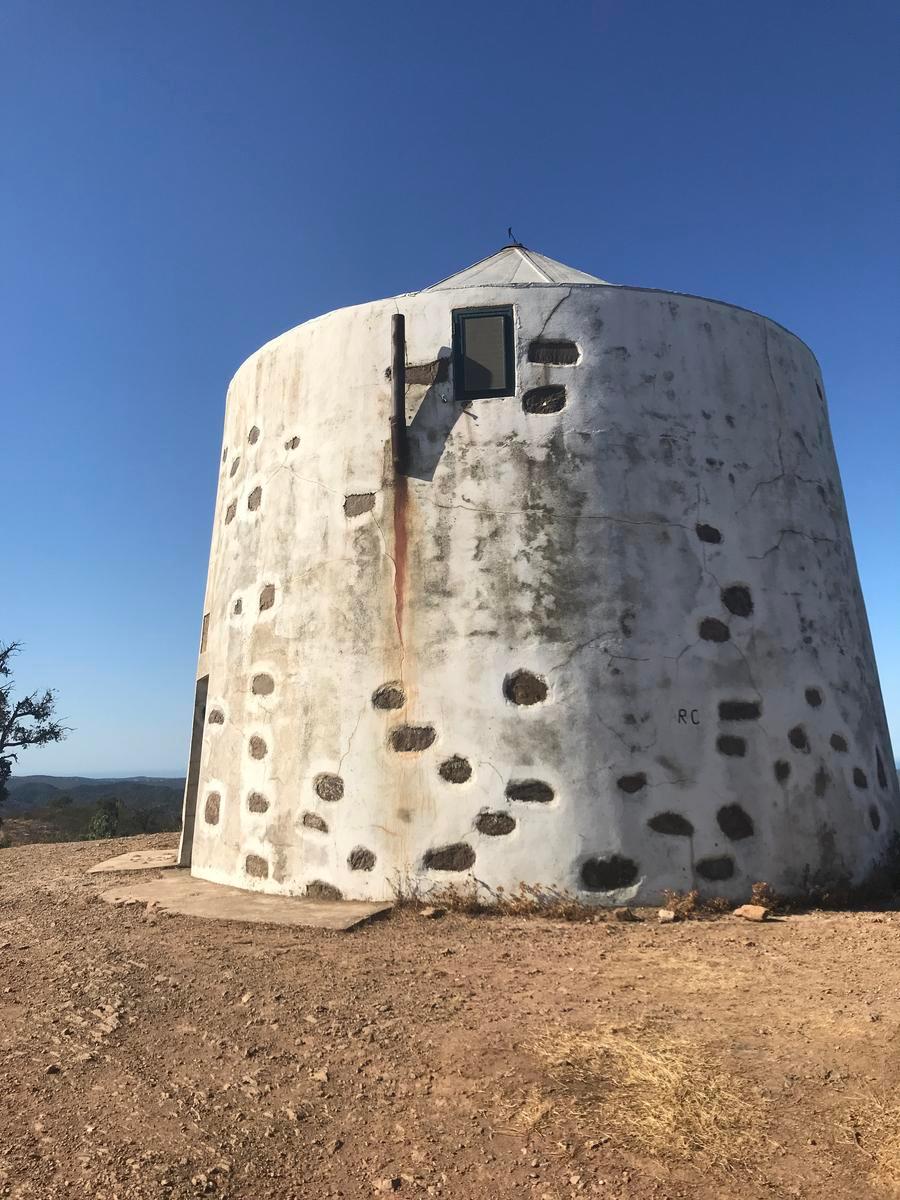
A small locality in the Salir area, associated with 'Fonte da Catraia', a waypoint on the Via Algarviana. It is located in the transition zone between the barrocal and the mountains, in a landscape of limestone and schist with cork oaks and holm oaks. It is not a 'tourist attraction' in the classic sense — it is a hidden and curable fragment of the Algarve that has withstood the test of time. Rural villages that have changed little over decades, surrounded by dryland agriculture and Mediterranean scrub.
Loule